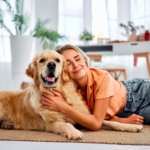
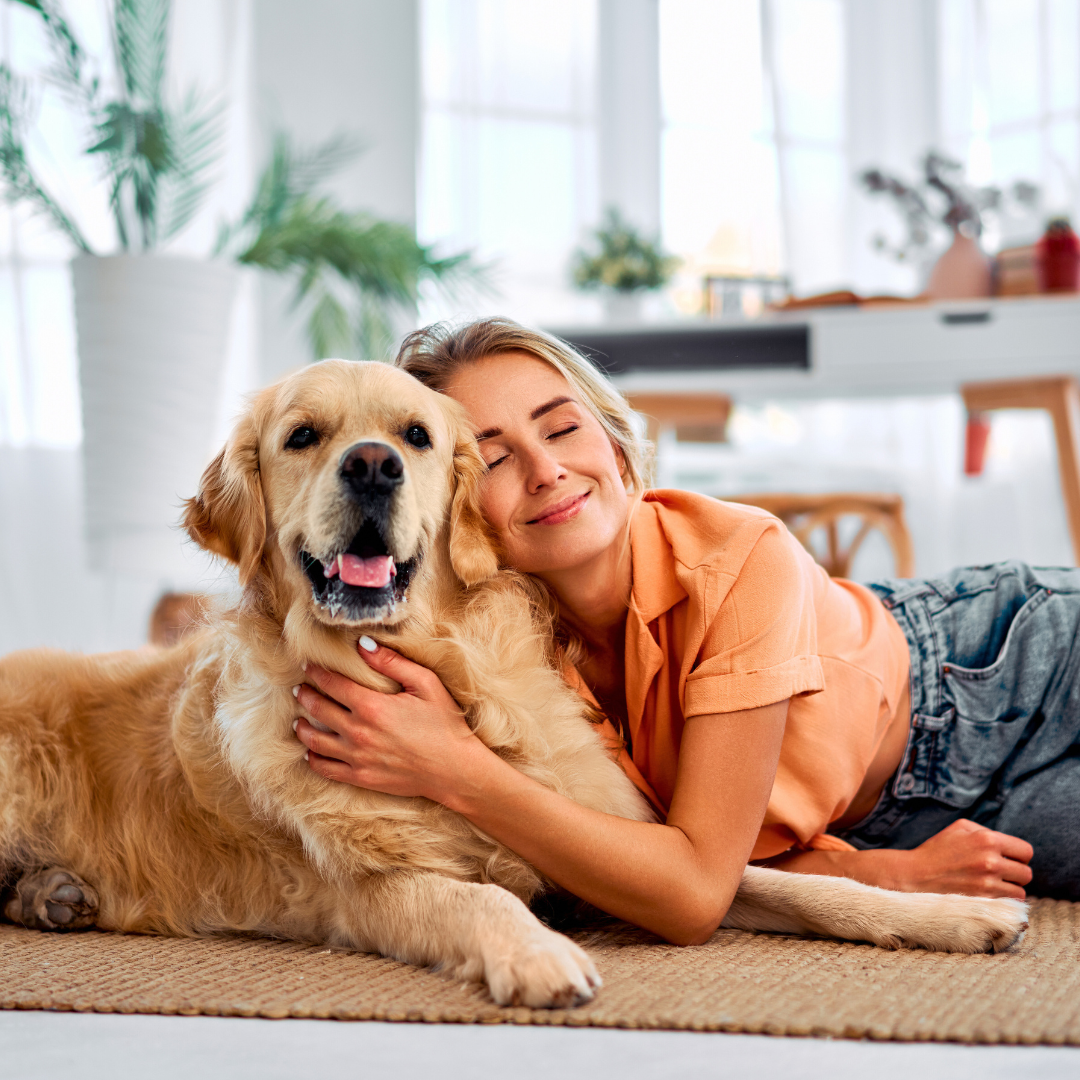

Creating a pet-friendly wellness home means designing a space that prioritises the health and comfort of both pets and their owners. It involves choosing non-toxic materials, maintaining a clean environment, and providing safe zones where pets can relax. These steps ensure that pets live happily without compromising the well-being of the household.
Attention to air quality, natural light, and pet-safe plants all contribute to a healthier home environment. Incorporating easy-to-clean surfaces and well-organised storage for pet supplies keeps the space orderly while minimising stress for animals and people alike.
Essential Elements of a Pet-Friendly Wellness Home
Creating a home that supports pet wellbeing involves careful attention to materials, dedicated spaces, and hygiene standards. Each element contributes to a safer and more comfortable environment, reducing risks and improving daily living for both pets and owners.
Choosing Safe and Durable Materials
Materials must be non-toxic, easy to clean, and resistant to wear. Floors made of vinyl, tile, or sealed hardwood prevent damage from scratches and spills. Avoid carpets that trap fur and allergens.
Furniture should feature stain-resistant fabrics, ideally without loose fibres or buttons that pets may chew. Paint and finishes must be low-VOC and free from harmful chemicals to protect pets that lick or scratch surfaces.
Using washable and breathable textiles, such as cotton or microfiber, promotes hygiene. Select materials that withstand clawing, chewing, and frequent washing to extend their durability in a pet-friendly home.
Designing Pet Accommodation Spaces
Dedicated areas give pets a sense of security and comfort. Well-placed beds, crates, or cosy corners away from busy household zones reduce stress and offer retreat spaces.
Incorporate elevated perches for cats or soft mats for older pets to support joint health. Feeding stations should be in low-traffic, easy-to-clean zones with non-slip mats to prevent spills.
Ensure clear pathways and avoid sharp edges or small objects that could cause injury. Room temperature should be controllable, giving pets a cool or warm retreat depending on the weather.
Ensuring Cleanliness and Hygiene
Regular cleaning regimes are essential for a healthy pet environment. Floors and upholstery require frequent vacuuming and mopping to reduce hair, dander, and dirt.
Use pet-safe cleaning products that effectively remove stains and odours without harmful fumes. Litter trays and food areas need daily attention to prevent bacteria buildup and unpleasant smells.
Grooming tools and toys should be regularly washed or replaced. Maintaining litter boxes and waste bins with lids minimises cross-contamination and helps maintain indoor air quality.
Supporting Physical and Mental Wellness for Pets
Maintaining both physical and mental wellness is crucial for pets to live balanced and healthy lives. Structured exercise, stimulating activities, social opportunities, and proper nutrition all contribute to this goal.
Daily Exercise and Indoor Activities
Regular physical activity helps prevent obesity and supports cardiovascular health in pets. For dogs, daily walks at a dog park encourage natural behaviours such as running and social interaction. These visits provide variety and mental stimulation alongside physical exercise.
Indoor activities are essential when outdoor access is limited. Puzzle toys, fetch games, and short training sessions keep pets active and engaged. Rotating toys every few days helps maintain their interest and reduces boredom.
Exercise routines should be tailored to the pet’s breed, age, and health status. Even short bursts of activity throughout the day can improve overall fitness and mood.
Enrichment and Socialisation Strategies
Mental enrichment reduces anxiety and destructive behaviour. Providing different scents, textures, and interactive toys can keep pets mentally sharp. Regularly changing the environment or introducing new objects supports curiosity and exploration.
Socialisation is especially important for dogs to build confidence and prevent fear-based behaviours. Visits to dog parks allow controlled interactions with other dogs, promoting social skills and physical exercise simultaneously.
For pets less comfortable with other animals or people, gradual exposure and positive reinforcement help ease socialisation. Organising small playgroups or attending training classes can also provide valuable social opportunities.
Healthy Diet and Portion Control
A well-balanced diet tailored to the pet’s age, breed, and activity level is essential for wellness. Owners should consult a veterinarian to choose appropriate food types and portions to avoid underfeeding or obesity.
Portion control can be managed by using measuring cups or pre-packaged meals and avoiding excessive treats. Feeding schedules should remain consistent to regulate metabolism and digestive health.
Owners should monitor the pet’s weight regularly and adjust intake if necessary. Fresh water should always be available to support hydration and overall bodily functions.
Health and Safety: Strategies, Services and Precautionary Measures
Maintaining a safe and healthy home for pets requires consistent care and being prepared for emergencies. Regular health checks, proper hygiene, and insurance coverage are critical components of ensuring well-being.
Preventative Veterinary Care and Regular Check-Ups
Routine visits to a veterinarian help detect health issues early and maintain vaccinations. Pets benefit from annual or biannual check-ups depending on their species, age, and health status.
Vaccinations, flea and tick control, and dental care are key services provided by veterinarians. A schedule tailored to the pet’s needs improves longevity and prevents common diseases.
Owners should keep a detailed health record including immunisations, medications, and weight. This information aids vets in assessing overall health and adjusting treatments promptly.
Emergency Preparedness and Pet Insurance
Preparing for emergencies involves having contact numbers of the nearest emergency vet and a basic first aid kit accessible. Owners must familiarise themselves with symptoms indicating urgent care,e such as difficulty breathing or persistent vomiting.
Pet insurance offers financial support for unexpected medical costs. Policies vary but often cover accidents, illnesses, and sometimes routine care. Choosing a plan that matches the pet’s breed and health risks is advisable.
Storing an emergency plan ensuresa rapid response. This should include escape routes, designated pet carers, and transport supplies like carriers or blankets.
Hygiene Practices for Pet and Owner Wellbeing
Regular grooming reduces the spread of parasites and maintains skin and coat health. Brushing fur, trimming nails, and bathing as needed support cleanliness without stressing the animal.
Owners must also clean food and water bowls daily and disinfect surfaces to prevent bacterial growth. Waste removal should be prompt to control odours and disease transmission.
Handwashing before and after interaction with pets minimises the transfer of germs. Using pet-safe cleaning products helps avoid irritation or poisoning of animals within the home.
Promoting Wellbeing for Pets and People at Home
A balanced environment supports the health and happiness of both pets and their owners. Integrating thoughtful practices in daily routines and surroundings helps build strong relationships and practical solutions that benefit all.
Creating a Positive Human–Animal Bond
Building trust between pets and owners starts with consistent interaction and clear communication. Regular playtime, gentle training, and responding to pets’ needs create a secure environment.
Physical contact, such as petting or grooming, reinforces affection and helps owners notice changes in health early. Owners should observe body language to understand stress or discomfort signs.
Setting routines, including feeding and exercise times, provides predictability that reduces anxiety. Positive reinforcement encourages good behaviour, strengthening the bond over time.
Encouraging a Pet-Inclusive Company Culture
Companies adopting pet-friendly policies improve employee well-being and morale. Designating safe spaces for pets in the workplace and allowing occasional visits fosters comfort.
Clear guidelines ensure respect for coworkers with allergies or fears. Providing resources, such as pet care tips or emergency contacts, supports responsible pet ownership.
Integrating pets into company events promotes inclusivity and reduces stress. Encouraging breaks for pet interaction helps maintain focus and work-life balance.
Practical Dog Boarding Solutions
Selecting dog boarding services requires attention to safety, hygiene, and socialisation opportunities. Reputable facilities offer staff trained in animal behaviour and emergency care.
Boards with secure outdoor areas and regular exercise time prevent boredom and maintain fitness. Transparency about routines and health checks helps owners make informed decisions.
Some services provide webcams or daily updates, easing owner anxiety during absences. Choosing a boarding near home reduces travel stress for dogs.